
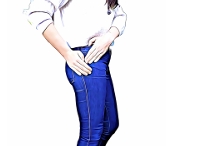
Understanding Buttock Pain: Common Causes and When to Seek Help
The phrase “pain in the butt” is often used light-heartedly, but for those who experience it, the discomfort is anything but funny. Pain in the buttocks can range from a dull ache to a sharp, shooting sensation, and it can interfere with everyday activities such as walking, sitting, or even getting a good night’s sleep. Identifying the underlying cause is key to effective treatment. Below are five common reasons you might be experiencing buttock pain.
1. Piriformis Syndrome
This condition involves the piriformis muscle, which lies deep within the buttock. If this muscle becomes tight or inflamed, it can press on the sciatic nerve, resulting in pain, tingling, or numbness that may radiate down the leg. It’s often confused with sciatica but is caused by muscle irritation, not spinal issues. Triggers include overuse, trauma, or prolonged sitting.
2. Sciatica
Sciatica is typically caused by a herniated disc or narrowing of the spinal canal (spinal stenosis) in the lower back. This leads to irritation of the sciatic nerve, causing pain that travels from the lower back through the buttock and down the leg. It usually affects one side and can feel sharp or burning. Sitting for extended periods often makes it worse.
3. Sacroiliac (SI) Joint Dysfunction
The sacroiliac joints connect the spine to the pelvis. Inflammation or abnormal movement in these joints—possibly due to injury, arthritis, or pregnancy—can result in pain in the lower back and buttocks. Pain may worsen with climbing stairs, standing up from a seated position, or rolling over in bed.
4. Gluteal Muscle Strain
The glute muscles can be strained from exercise, lifting, or sudden movement. This type of injury typically causes soreness or localized pain in the buttock, especially when climbing stairs or walking uphill. The area may also be tender to the touch.
5. Ischial Bursitis
Commonly referred to as “Weaver’s Bottom,” this condition is caused by inflammation of the bursa near the sit bones. It often develops from sitting on hard surfaces or repetitive movements like cycling. Symptoms include a deep ache or sharp pain, particularly when seated.
When to Seek Help
If you’re dealing with persistent buttock pain, the best course of action is to consult a healthcare professional. A physiotherapist can assess your symptoms, rule out serious conditions, and help guide your recovery.
Note: This article is for informational purposes only and is not a substitute for professional medical advice. Always consult a qualified practitioner for diagnosis and treatment.