
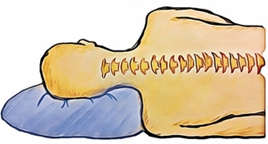
For many people, sleep is simply seen as a period for rest and recovery. However, your sleeping posture can play an important role in how your body feels—especially if you’re dealing with pain or an existing injury. Considering that we spend a large portion of our lives in bed, it makes sense that poor positioning overnight can contribute to discomfort.
Ideally, your body should remain in a relaxed, low-stress position while you sleep. This means keeping your joints and muscles in neutral alignment. Spending long periods in awkward or extreme positions can place strain on surrounding tissues, which may lead to stiffness or soreness when you wake up.
Back Pain
If you experience back pain, finding a comfortable sleeping position can be challenging. The goal is to support the natural curves of your spine throughout the night. A suitable mattress should provide enough support to maintain your lower back curve without feeling overly hard. While very soft mattresses may feel pleasant at first, they can allow your body to sink too deeply, reducing spinal support. Morning stiffness can sometimes indicate that your mattress isn’t providing the right level of support.
Sleeping on your side often keeps the spine more naturally aligned than lying flat on your back. If you prefer sleeping on your back, placing a pillow beneath your knees may help preserve the natural curve of your lower spine.
Neck Pain
Your pillow could be contributing to neck discomfort if it doesn’t properly support your head and neck. The neck is particularly sensitive to poor positioning during sleep. For side sleepers, a pillow that is too low may allow the head to tilt downward, while one that is too high can push the neck upward unnaturally.
A supportive pillow that keeps your neck aligned with your spine is essential. If you tend to slide your arm under your pillow for extra height, this may indicate your pillow is too flat. Sleeping with your shoulder in this position for long periods can place unnecessary strain on the joint.
Sleeping on your stomach with your head turned to one side can also create significant stress on the neck. If this is your preferred position, discussing alternatives with a physiotherapist may be helpful.
Hip Pain
People who sleep on their side sometimes rest with their top leg crossing forward over the body. This posture can increase pressure on the outer hip structures, including tendons and bursae, and may affect circulation in the area. A mattress that is too firm can also increase compression on the hip closest to the bed.
Placing a pillow between or under your knees when lying on your side can help keep your hips aligned in a more neutral position. This adjustment may also support your lower back overnight.
For personalised guidance, consider speaking with a physiotherapist about your sleeping posture and whether your current mattress and pillow setup are suitable for your needs.